Here is a scenario every sales leader knows too well: a rep has been working a deal for three months. The champion is responsive, the demos went well, and the proposal is out. And then – nothing. Radio silence. The deal goes dark.
The rep did not fail. They were chasing the wrong signals. In 2026, that is no longer acceptable – because the technology to read the real signals has existed for years, and most teams still are not using it properly.
What Buyer Intent Analytics Actually Is (And What It Is Not)
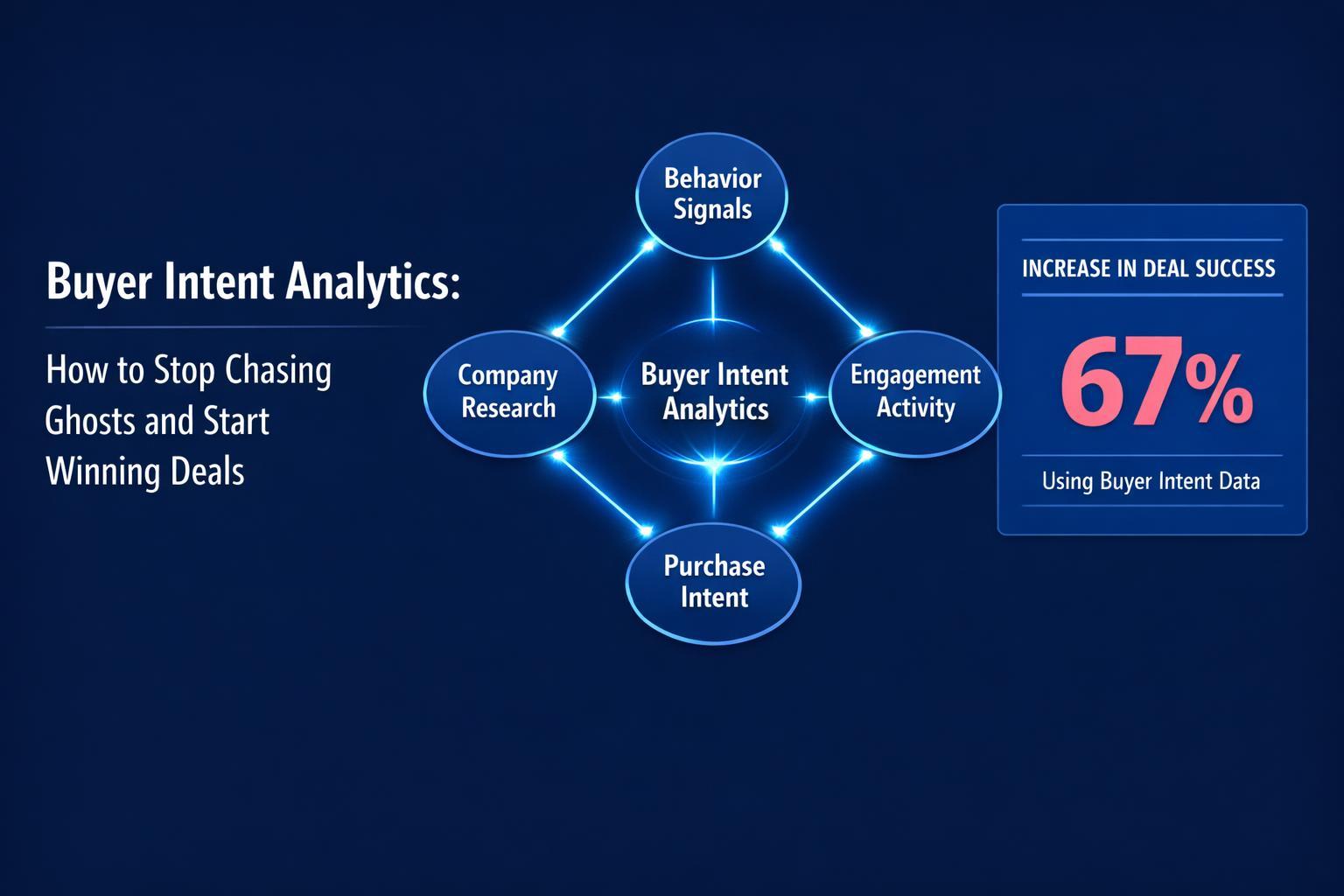
Buyer intent analytics is not sentiment analysis. It is not a CRM score based on how many times a rep updated the opportunity. It is the systematic tracking of actual buyer behavior – what they read, how long they spent on it, what they shared, who else viewed it, and what questions they asked – translated into actionable insight about deal health and momentum.
At the deal room level, intent signals include:
- Which stakeholders have accessed the room and when
- Which content sections they spent the most time on
- Whether they have shared materials internally (a strong buying signal)
- Whether engagement has increased or decreased over the past week
- Which role-specific content they are gravitating toward (pricing vs. technical vs. legal)
Combined, these signals give your rep a real-time picture of where the buying committee actually is in their internal process – not where the calendar says they should be.
The CFO vs. the Champion Problem
Most deals die not because the champion changed their mind, but because someone else in the buying committee is not convinced. The silent CFO. The skeptical IT lead. The legal department that no one thought to involve until week 11.
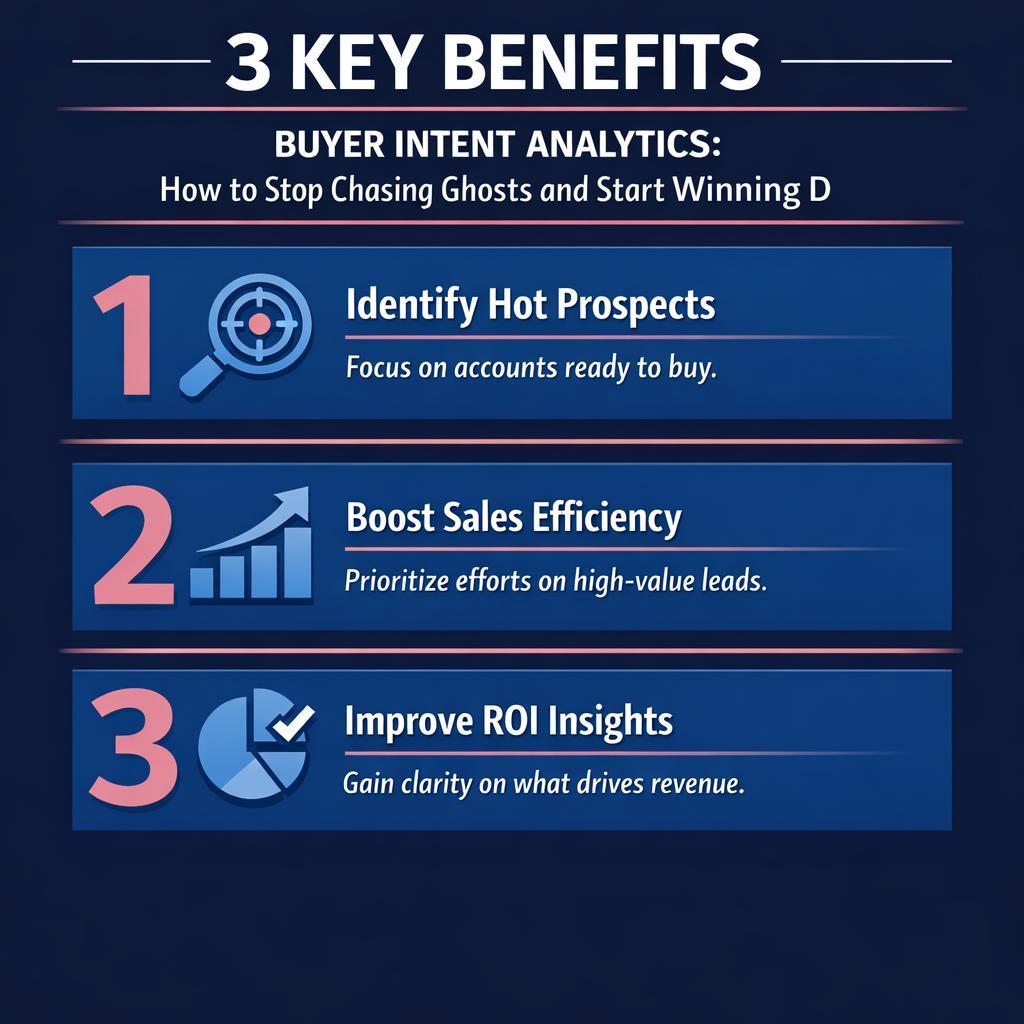
Buyer intent analytics surfaces this problem early. When your Champion is active in the room but no other stakeholders have logged in, you know the internal champion has not gotten buy-in yet. When the CFO suddenly views the pricing and ROI documentation after three weeks of silence, you know the internal conversation has escalated. That is the moment to strike.
Revspire’s platform maps stakeholder engagement individually, so you can see not just “the deal is active” but who specifically is engaged, what they care about, and what your next move should be. Explore the full capability in our Deal Room analytics overview.
Predictive Intent: From Reactive to Proactive
Reactive intent analysis tells you what happened. Predictive intent tells you what is about to happen – and gives you the window to intervene.
Companies using predictive intent analytics are 2.5 times more likely to exceed sales targets. The mechanism is straightforward: the system identifies patterns from historical deal data – what engagement profile typically precedes a closed-won versus a ghost – and flags current deals that match the warning pattern early enough to do something about it.
This is fundamentally different from a rep’s gut feeling, which is vulnerable to optimism bias and selective memory. The data does not hope. It tells you the truth.
The Biggest Misuse of Intent Data
Here is where teams go wrong: they treat intent data as a reporting tool rather than a selling tool. They look at it in their weekly pipeline review and nod. What they should be doing is triggering specific actions from it in real time.
- High engagement on technical documentation? Time to loop in your solutions engineer.
- Pricing page viewed twice in 24 hours? Time to prep the business case and ROI model.
- Zero engagement for 10 days after a strong start? Time to check with your champion or reactivate with new content.
Intent without action is just analytics theater. The platform has to connect signal to motion – automatically, or through clear rep prompts – for it to actually move deals.
Why Revspire’s Approach Is Different
We built our analytics engine around the buying committee, not just the deal. Rather than a single “deal score,” Revspire profiles each stakeholder individually – tracking their engagement intensity, the content they are consuming, and their behavioral signals over time. Then it surfaces a composite picture of buying committee consensus.
Because a deal where the champion is enthusiastic but the CFO has not engaged is a fundamentally different deal from one where four stakeholders have independently reviewed the same section of the implementation plan. Our platform knows the difference – and tells your rep what to do about it.
Stop chasing ghosts. Start reading the room. Book a Revspire demo and see buyer intent analytics in a live deal environment.
Leave a Reply